Alexandra Palace garden clearance case study Crouch End gardeners
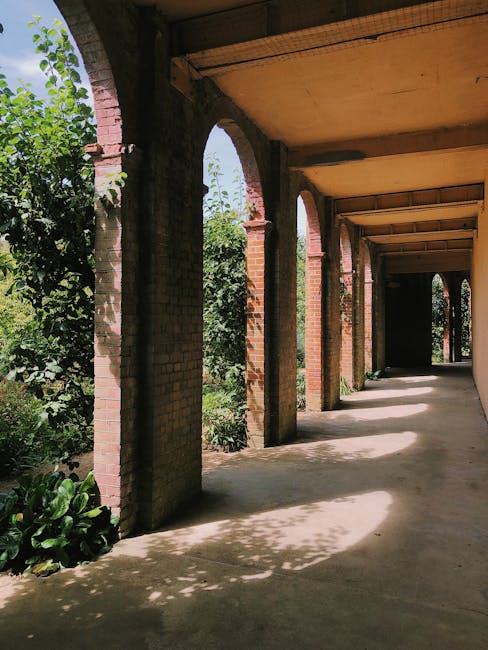
If you are looking into an Alexandra Palace garden clearance case study Crouch End gardeners style of service, you are probably past the "maybe we should tidy it up one weekend" stage. The garden may have become overgrown, blocked by old waste, or simply too much for one person to tackle properly. That is where a structured clearance approach helps. It is not just about making things look neat. It is about restoring access, reducing trip hazards, clearing room for future planting or landscaping, and making the space feel usable again.
In this article, we look at what a garden clearance project around Alexandra Palace typically involves, how local gardeners approach the work, what good results actually look like, and how to judge whether you need a one-off clearance or something more ongoing. We will keep it practical. No fluff. Just the kind of detail that helps you make a sensible decision.
Key takeaway: a well-planned clearance is usually faster, safer, and more cost-effective when the work is scoped clearly from the start, with waste removal, access, and follow-up maintenance considered together.
Why Alexandra Palace garden clearance case study Crouch End gardeners Matters
Alexandra Palace and the surrounding north London streets have a mix of garden sizes, layouts, and access challenges. Some plots are compact and awkwardly shaped. Others look straightforward until you realise the back corner has years of cuttings, broken pots, fallen branches, and old timber stacked behind a shed. A clearance job in this kind of setting needs more than muscle. It needs judgement.
That is why a case study approach matters. It shows how a real project is assessed: what was removed, what was kept, what needed careful handling, and what the garden would need next. For many homeowners, the biggest problem is not the overgrowth itself. It is not knowing where to start. Do you cut everything back? Do you remove shrubs? Is the compost heap salvageable? Should you keep the tree line, or is part of it unsafe? Those questions can slow people down for months.
A good garden clearance answer is often surprisingly simple: clear the clutter, open the access, deal with the highest-risk areas first, and leave the space ready for either maintenance or redesign. The result is cleaner, safer, and easier to manage. And to be fair, it is also a bit of a relief. You can actually see the garden again.
If you are comparing broader service options, it helps to look at the wider services overview and decide whether clearance is the first step or one part of a larger plan.
How Alexandra Palace garden clearance case study Crouch End gardeners Works
A proper clearance project usually starts with a walk-through. The team looks at access points, waste volume, plant material, any signs of rot or decay, and whether there are items that need separating rather than simply loading into a bag. That first assessment is where a lot of the value lies. It prevents the classic "we thought it was a small job" problem. You know the one.
In a realistic Alexandra Palace clearance scenario, the work might include bramble reduction, hedge cutback, lifting dead plants, removing accumulated clippings, collecting old garden waste, and opening pathways that have become overgrown. Where trees are involved, care is needed. Not every branch should be cut on a whim, and larger limb work is better handled with proper experience. If the site includes problematic tree growth, you may need a related service such as tree lopping and removal.
The clearance sequence is usually efficient but methodical:
- Assess the garden and identify hazards.
- Separate green waste from general rubbish where possible.
- Clear access routes first so the team can work safely.
- Remove bulky waste and cut back overgrowth.
- Rake, collect, and finish the site so it is tidy.
- Check whether follow-up maintenance or restoration is needed.
That final step is easy to overlook. A clearance is not always the end of the story. Often, it is the start of the garden becoming manageable again. Some customers follow it with garden maintenance, because once the space is back under control, regular light work keeps it that way.
Key Benefits and Practical Advantages
The main benefit of garden clearance is obvious: you get the space back. But there are a few deeper advantages that are easy to miss at first glance.
- Safer movement around the garden. Clearing debris, broken branches, and hidden obstacles reduces trip and snag risks.
- Better visibility. Once the garden is opened up, you can actually see what needs attention.
- More realistic planning. It is difficult to design or improve a garden while it is buried under clutter.
- Less pressure on the homeowner. A large clearance can feel emotionally heavy. Handing it over to professionals makes it manageable.
- Improved drainage and airflow. Dense, unmanaged growth can trap moisture and encourage decay. Clearing it out helps the space breathe.
- Faster route to restoration. If you want lawn work, hedge shaping, or landscaping later, clearance creates the blank canvas.
There is also a practical money angle. If a garden is cleared properly the first time, later maintenance tends to be simpler and less costly than repeated reactive tidy-ups. Many people in Crouch End and around Alexandra Palace eventually find that combining clearance with lighter ongoing care makes more sense than waiting for another big mess.
Where soft landscaping or structural changes are planned, it can be useful to look at landscape gardening or landscaping once the clearance is done. Otherwise you are trying to build on top of clutter. Not ideal.
Who This Is For and When It Makes Sense
Garden clearance is not only for neglected gardens that have got completely out of hand. It is for anyone facing a garden that is temporarily too much to manage safely or sensibly. That includes people returning from a long period away, landlords dealing with end-of-tenancy outdoor spaces, family homes after a busy season, and properties preparing for sale or new tenants.
It also makes sense if:
- the garden has become overrun after a wet spring or a busy summer;
- access to sheds, fences, or side passages is blocked;
- you want to remove accumulated organic waste before a redesign;
- the garden has old cuttings and debris that are too much for normal green waste collection;
- you need the area made safe before further work starts;
- you simply do not have the time or physical ability to do it properly.
Truth be told, a lot of people wait too long. They assume they need to "sort it out properly" before calling anyone. But that can be backwards. Sometimes the better move is to clear first, then plan. Especially where brambles, self-seeded growth, and odd bits of waste are hiding what is actually there.
If the work is mostly straightforward tidy-up rather than full clearance, a service like lawn mowing or selective hedge trimming may be enough. The key is matching the job to the actual condition of the garden, not the idea of it.
Step-by-Step Guidance
If you are planning an Alexandra Palace garden clearance, a clear process saves time and reduces surprise. Here is a practical way to think about it.
1. Identify the scope
Start by deciding what has to go and what must stay. This sounds basic, but it matters. Old pots, broken fencing, dead plants, piles of branches, rubble, and mixed waste all need different handling. A quick list at the start prevents accidental damage later.
2. Check access
Can waste be carried through the side path? Is the rear gate usable? Are there narrow steps, wet surfaces, or awkward turns? Access can shape the whole job. In some gardens, the physical route out is the biggest challenge, not the clearance itself.
3. Prioritise hazards
Sharp debris, unstable stacks, rotting timber, and overhanging branches should be dealt with early. The point is to make the work area safer before the team moves through it repeatedly.
4. Clear in zones
Work from one zone to the next rather than scattering effort across the whole garden. That keeps the site readable and stops the job from feeling endless. One finished corner is encouraging. Sounds small, but it helps.
5. Separate waste streams
Green waste, reusable materials, and general waste should be separated where possible. This makes disposal more efficient and supports better recycling outcomes. It also keeps the site tidier as the job progresses.
6. Finish with a reset
After the main clearance, rake, sweep, and check borders, fence lines, and around sheds. A good finish should leave the garden ready for either a fresh maintenance routine or a more substantial transformation.
7. Decide on the next step
Once the garden is clear, ask what it needs next. Some gardens only need periodic maintenance. Others may need more structured work, such as new planting beds, improved surfaces, or related decking adjustments through decking services.
Expert Tips for Better Results
Here is the part people often skip, then regret later.
Do not treat clearance as a guessing game. The best outcomes come from a calm first look and a realistic plan. If there is a hidden slope, poor drainage, or a hedge line that has grown too close to a fence, those details should shape the work.
Other useful tips:
- Photograph the garden before work begins. This helps track progress and reduces confusion about what was agreed.
- Keep one clear pile for reusable items. Old timber, planters, or edging might be worth saving if they are still sound.
- Work from the outside in. Access first, then bulk clearance, then detail work.
- Think about maintenance immediately after clearance. A tidy garden can relapse quickly if nothing follows.
- Use the weather smartly. A dry day makes waste handling easier and safer. Wet grass and muddy paths slow everything down.
One small but useful habit: ask what the team will do with mixed organic waste. A straightforward answer usually tells you a lot about their process. If the answer is vague, that is a bit of a warning sign, honestly.
For ongoing tidiness, many gardens benefit from a blend of lawn mowing, periodic hedge trimming, and lighter garden maintenance rather than letting the work stack up again.
Common Mistakes to Avoid
Garden clearance looks simple from a distance. Then you step into it and discover three years of tangled growth, a half-hidden compost heap, and a fence panel leaning in the wrong direction. Easy, right? Not quite.
Here are the mistakes that cause the most trouble:
- Clearing without a plan. You can waste hours if you start cutting and carrying before deciding on the sequence.
- Ignoring access points. A blocked path can turn a one-hour job into a frustrating haul.
- Mixing waste types. This can make disposal less efficient and more expensive to manage.
- Removing healthy planting by mistake. When a bed is overgrown, it is easy to cut too much too quickly.
- Forgetting the follow-up. Without maintenance, the garden may slide back into the same condition.
- Underestimating tree or fence issues. Some jobs are not just clearance jobs. They need more specialised attention.
A common one in older gardens is assuming the whole space should be stripped back. Sometimes that is right. Sometimes it is overkill. You need a careful eye, not just a hedge trimmer and optimism.
Tools, Resources and Recommendations
Most homeowners do not need to buy much to benefit from a clearance project. But it helps to understand what a professional team is likely to use and why.
| Tool or Resource | Typical Use | Why It Matters |
|---|---|---|
| Hand shears and secateurs | Cutting back smaller growth and fine detail work | Gives cleaner cuts and more control around planted areas |
| Hedge trimmers | Shaping and reducing dense hedge growth | Speeds up work while keeping lines tidier |
| Rakes and leaf tools | Collecting cuttings and loose material | Keeps the site clear during and after work |
| Waste bags or load containers | Sorting and moving green waste | Makes disposal safer and more efficient |
| Protective gloves and eye protection | Handling thorny or rough material | Reduces injury risk in bramble-heavy or cluttered gardens |
| Site photos and notes | Planning and documenting the job | Helps everyone stay aligned on scope and finish |
When the garden also needs a bit of longer-term structure, the right follow-on service matters. For example, some properties move from clearance into full landscape gardening work, while others only need the area cleaned up and monitored through seasonal visits.
If the garden has recurring overgrowth at the back or side boundaries, a targeted hedge or tree review may be more useful than repeated clearance visits. That is where the service mix starts to matter.
Law, Compliance, Standards, or Best Practice
For garden clearance, the main compliance concerns usually sit around waste handling, safe working practices, and reasonable care for the property. This is where professionalism shows. You do not want waste left in the wrong place, debris blocking access, or cut material dumped where it should not be.
In practical terms, a trustworthy garden clearance service should work with clear attention to safety, disposal, and insurance. That includes managing tools responsibly, taking care around fragile surfaces, and making sure the team understands the site before starting. If a job includes higher-risk work, such as larger branches or unstable growth, the approach should be more cautious, not less.
It is also sensible to expect a business to have clear policies on safety, payments, and customer handling. You can review site information such as insurance and safety, health and safety policy, and payment and security if you want a better picture of how the service is run. That does not tell you everything, of course, but it does show whether the business takes the basics seriously.
Best practice takeaway: choose a team that treats the garden like someone's home, not just a pile of waste to be moved. It sounds obvious. Yet it makes all the difference.
Options, Methods, or Comparison Table
Not every outdoor space needs the same kind of intervention. Some need a one-off reset. Others need recurring care. Here is a simple comparison to help frame the decision.
| Approach | Best For | Pros | Limitations |
|---|---|---|---|
| One-off garden clearance | Overgrown or cluttered gardens that need a reset | Fast, visible improvement, good for re-starting the space | Condition can drift again without follow-up |
| Clearance plus maintenance | Gardens that need both recovery and ongoing control | Better long-term stability, less build-up | Requires a little planning and consistency |
| Clearance plus landscaping | Spaces that are being redesigned | Creates a cleaner base for new features or planting | More involved and usually not the quickest route |
| Selective pruning and trimming | Mostly healthy gardens with a few unruly areas | Less invasive, often more affordable and less disruptive | May not be enough for heavily neglected sites |
If you are unsure which route to take, the simplest rule is this: if you can still see the structure of the garden and the problem is mostly overgrowth, a lighter intervention may work. If you cannot comfortably access the space, and the waste build-up is making the garden hard to read, clearance is usually the better starting point.
Case Study or Real-World Example
Here is a realistic example of how an Alexandra Palace garden clearance case might unfold in practice.
A homeowner in the Alexandra Palace area has a back garden that has slowly become unusable. The lawn has thinned out under debris. The side path is partly blocked. A hedge has grown beyond its intended line, and there is a build-up of old branches, cuttings, and miscellaneous garden waste near the rear boundary. Nothing dramatic. Just enough to make every task feel harder than it should.
The work begins with a site check and a decision about access. The team clears the side route first, because that makes everything else safer. Then they remove the loose waste, reduce the worst of the overgrowth, and tidy the edges so the space reads clearly again. The hedge is trimmed back to a manageable line, and the garden is left neat rather than stripped bare.
After the clearance, the homeowner can finally see where the next stage should be. In this kind of situation, it is often obvious whether the space needs lawn recovery, hedge shaping, or a broader redesign. Sometimes the next move is simply to schedule lighter ongoing care. Other times, it becomes the start of a full refresh.
What made the difference was not speed alone. It was sequence, judgement, and a willingness to stop and assess before cutting into anything valuable. Small thing, maybe. But in a real garden, small things matter a lot.
Practical Checklist
Use this checklist before booking or starting a garden clearance project:
- Confirm what needs to be cleared and what should stay.
- Check for access problems, narrow paths, steps, or blocked gates.
- Identify any tree, hedge, or structural issues that need extra care.
- Ask how green waste and mixed waste will be handled.
- Decide whether you want a one-off clearance or follow-up maintenance.
- Take photos of the garden before the work starts.
- Clear away personal items, toys, tools, and anything sentimental first.
- Ask whether the job can be completed in one visit or will need stages.
- Review practical business information such as policies, safety, and payment terms.
- Plan the next step after clearance, even if it is just light maintenance.
A tidy checklist saves stress. It really does. And it helps the garden team work faster because they are not second-guessing the brief.
Conclusion
An Alexandra Palace garden clearance case study Crouch End gardeners style project is really about turning an overwhelmed outdoor space back into something useful, safe, and manageable. The best results come from a clear scope, sensible sequencing, careful waste handling, and an honest view of what the garden needs next.
Whether your space needs a full reset or just enough work to get breathing room again, the aim is the same: make the garden easier to live with. That is the practical win. And if you get that part right, everything else becomes simpler.
If your garden has reached the point where it feels like a job in itself, there is no shame in that. Happens all the time. The important thing is to start with a clear plan and choose the right kind of help.
Get a free quote today and see how much you can save.
Frequently Asked Questions
What does garden clearance usually include?
Garden clearance typically includes removing overgrown vegetation, collecting cuttings, clearing debris, and tidying the site so it is usable again. Depending on the garden, it may also involve hedge reduction, branch removal, and separating waste for disposal.
How is a clearance different from regular garden maintenance?
Clearance is usually a one-off or occasional reset for a garden that has become cluttered or overgrown. Maintenance is lighter, more regular work that keeps the garden under control after it has been cleared.
How long does a garden clearance take?
It depends on size, access, and the amount of waste involved. A small tidy-up may be quite quick, while a heavily overgrown garden with difficult access will take longer. A proper assessment is the best way to estimate timing.
Can I keep some plants during the clearance?
Yes, and you should make that clear before the work starts. Good clearance work should protect healthy planting wherever possible, rather than cutting everything back indiscriminately.
What happens to the garden waste?
Waste is usually collected, sorted where possible, and removed for responsible disposal or recycling. Green waste is often handled separately from general rubbish, which helps with efficiency and sustainability.
Do I need clearance before landscaping work?
Often, yes. If the garden is overgrown or cluttered, clearance creates a clean starting point for further work. That makes later landscaping or planting decisions much easier.
Is garden clearance safe in a small or awkward garden?
It can be, provided the access is assessed properly and the work is planned around the layout. Narrow paths, steps, and confined spaces need a more careful approach, but they are very manageable in most cases.
What if there are large branches or tree issues?
That is when the job may need additional care or a related tree service. Larger branches, unstable growth, and anything near structures should be assessed cautiously rather than cut without thought.
Should I book maintenance after a clearance?
Usually, yes. Even light maintenance can make a big difference after a clearance because it stops the garden slipping back into the same state. A small amount of regular care often saves a lot of trouble later.
How do I know if my garden needs a full clearance or just trimming?
If the main issue is a few overgrown areas, trimming may be enough. If the space is blocked, difficult to move through, or covered with accumulated waste, a full clearance is usually the better choice.
What should I prepare before the team arrives?
Move personal items, identify what you want kept, and make sure access points are open. It also helps to share any concerns about fragile surfaces, hidden boundaries, or plants you want protected.
Where can I learn more about the service options available?
You can start with the services overview and then decide whether clearance, maintenance, trimming, or a broader garden improvement route makes the most sense for your space.
If you would like to understand more about the company's approach and how services are handled, the about us page is a useful next stop. And if you are ready to discuss your own garden, the contact us page is there when you need it.