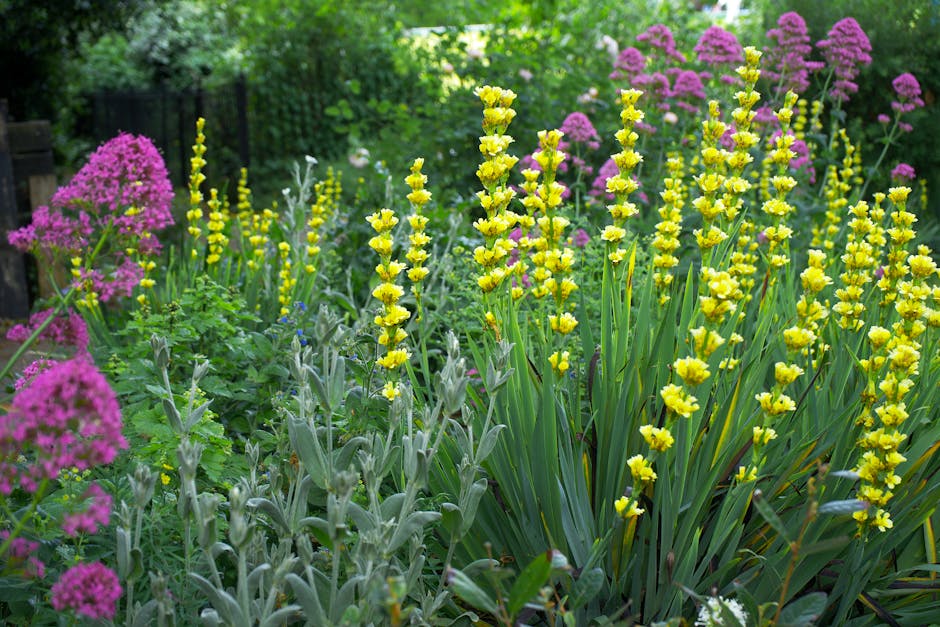
Park Road gardeners solutions for narrow gardens Crouch End
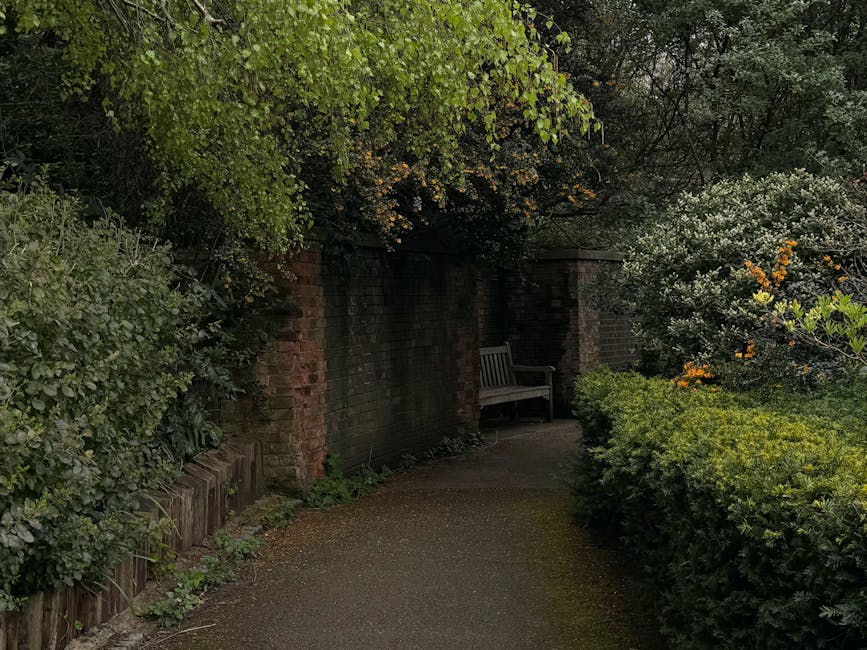
Narrow gardens can be surprisingly tricky. On paper, they sound simple: a slim strip of outdoor space, maybe tucked behind a terrace or running down the side of a property. In reality, though, they can feel cramped, dark, awkward to maintain, and hard to enjoy. That is exactly where Park Road gardeners solutions for narrow gardens Crouch End come into their own. With the right planning, a tight garden can feel calm, usable, and much bigger than it first looks.
This guide breaks down what works, what does not, and how to make a narrow garden feel deliberate rather than squeezed in. You will find practical design ideas, maintenance tips, local considerations, and a clear step-by-step approach. If you are weighing up whether to improve, reshape, or simply tame a narrow outdoor space, this will help you make a sensible decision. Truth be told, these gardens often just need a bit of structure and some honest editing.
Why Park Road gardeners solutions for narrow gardens Crouch End Matters
Narrow gardens in Crouch End often come with the same headaches: limited width, awkward access, shade from boundary walls or nearby buildings, and a layout that never quite feels settled. A standard "make it look nice" approach usually falls flat. What these spaces need is a gardener's eye for proportion, movement, and practical use.
On streets like Park Road, the challenge is not just appearance. It is day-to-day function. Can you get a mower down the side? Is there enough room for planting without the borders becoming cluttered? Will the garden still feel pleasant in winter when everything is bare and the walls seem even closer? These are the real questions. And they matter because a narrow garden can be either a tight, frustrating strip or one of the nicest parts of the home.
There is also the local setting to think about. In parts of North London, gardens need to work hard: family space, storage, privacy, and easy upkeep all compete for attention. That is why narrow-garden solutions are less about grand gestures and more about smart choices. Proper spacing, the right planting palette, and a clean structure can make a small footprint feel generous. It sounds simple. It isn't always.
Expert summary: narrow gardens improve most when you stop trying to fit everything in. Edit first, then design. That one shift tends to change everything.
How Park Road gardeners solutions for narrow gardens Crouch End Works
The process usually begins with observation. A good gardener looks at sun movement, soil condition, access points, existing boundaries, and how the space connects to the house. In a narrow garden, even a small feature can dominate the whole feel. A bulky shed, a dense hedge, or a badly placed path can compress the space more than you might expect.
From there, the solution is normally built around a few core principles:
- Create one clear flow line so the eye and foot traffic move naturally through the garden.
- Use repetition in planting or paving to avoid visual clutter.
- Keep boundary treatments tidy because messy edges make narrow plots feel tighter.
- Choose slim-profile features instead of oversized furniture or ornamental pieces.
- Layer planting vertically rather than spreading it across the whole width.
That last point is a big one. Vertical layering means using height cleverly: climbers, trained shrubs, slender grasses, trellis panels, or wall-mounted planting. This allows greenery without blocking circulation. In a compact garden, it is often the difference between "crowded" and "lush".
Practical maintenance also plays a role. A narrow garden can quickly look untidy if grass edges are left to wander, hedges get leggy, or fallen cuttings collect in the corners. Services such as garden maintenance and lawn mowing help keep the layout readable, which matters more than people sometimes think. If you cannot clearly see the shape of the space, the whole thing starts to feel smaller.
Key Benefits and Practical Advantages
Good narrow-garden work is not just about making things prettier. It changes how the space functions. Done well, it can make a garden easier to manage, more relaxing to spend time in, and more versatile across the seasons.
- Better use of limited space: every square metre earns its place.
- Less visual clutter: clean lines and considered planting make the garden feel calmer.
- Improved privacy: carefully placed screening can soften overlooking without overfilling the plot.
- Lower maintenance burden: simpler layouts are easier to keep in shape.
- More practical storage and access: paths, gates, and work zones can be planned properly.
- Stronger year-round appeal: evergreen structure prevents the winter "empty box" effect.
There is also a resale consideration, though it is sensible not to overstate it. A narrow garden that feels intentional and easy to use is usually more appealing than one that looks unfinished or overgrown. Buyers notice whether a space feels awkward. They may not say it out loud, but they absolutely notice.
Another advantage is emotional, and it is a real one. A well-arranged narrow garden can feel like a proper escape after a long day. A bench in the right spot, a soft path underfoot, a bit of greenery brushing the edge of the eye - suddenly the space has a mood. That's not fluff. It changes how people use it.
Who This Is For and When It Makes Sense
This type of garden work suits homeowners and landlords who have a narrow rear garden, side return, or slim courtyard and want it to feel more usable. It is especially relevant if the space currently feels too long, too dark, or too awkward to furnish.
You may want to consider a narrow-garden solution if:
- the garden is hard to walk through without stepping on planting areas;
- maintenance keeps slipping because the layout is awkward;
- your current planting looks crowded or patchy;
- you want privacy without building a visual wall;
- the garden feels underused for most of the year;
- you are planning a refresh rather than a full rebuild.
It also makes sense when you have inherited a garden that has been patched up over time. A lot of narrow gardens are like that: a bit of old paving here, a tired border there, maybe some overgrown shrubs hanging over the path. Nothing terrible, just disjointed. That kind of space usually responds very well to a tidy, structured redesign.
If the garden has mature trees, unstable boundaries, or heavy overgrowth, you may need extra work before design changes can really land. In those cases, services like tree lopping and removal or garden clearance may be the sensible starting point.
Step-by-Step Guidance
There is no single formula for narrow gardens, but there is a reliable sequence that works well in practice. Keep it simple and the results usually follow.
- Assess the space honestly. Measure the width, note where the light falls, and identify anything that blocks movement or sightlines.
- Decide how the garden should function. Is it for relaxing, entertaining, planting, child play, or low-maintenance use? Narrow gardens cannot do everything well at once, so prioritise.
- Clear the clutter. Remove dead growth, redundant fixtures, and overbearing features that make the plot feel squeezed.
- Set one main route. Even in a slim garden, a clear route helps the space breathe. A straight or gently stepped path often works better than too many twists.
- Choose structure before decoration. Edging, boundaries, paving, and levels should be sorted first. Plants come after.
- Add planting with restraint. Repeat a small number of species rather than mixing too many varieties.
- Test the maintenance load. If the garden will be hard to keep up, simplify it now, not after the first season of regret.
As a rule, narrow gardens do better when they are planned in layers: hard landscape, then structure, then planting, then finishing touches. If you reverse that order, you often end up with a pretty but impractical result. And nobody wants that. Well, not for long anyway.
Expert Tips for Better Results
Here are the details that tend to separate a decent narrow garden from one that genuinely feels well judged.
- Use fewer materials. Too many paving types, timber tones, and decorative finishes make the eye bounce around. In a narrow space, restraint is your friend.
- Go for vertical interest. Trellis, climbers, wall planters, and tall but slim planting give height without bulk.
- Keep the floor plane clean. A simple run of paving or decking can make the space feel longer and easier to read. If that suits the design, decking services can be a smart option for defining a usable zone.
- Balance shade and greenery. If one end of the garden is darker, use lighter materials and brighter foliage there rather than forcing dense planting into a low-light corner.
- Trim hard and soft edges regularly. A narrow plot looks best when boundaries are crisp. Services such as hedge trimming are especially useful where shrubs begin to encroach.
- Leave negative space. Yes, empty space matters. It gives the eye a place to rest and makes the garden feel more deliberate.
One small but useful trick: if a path or seating area feels too tight, reduce the number of features rather than shrinking everything equally. It is often better to have one comfortable area than three awkward ones. Common sense, really, but easy to forget when you are trying to make the most of a limited plot.
Another practical point: think about what the garden looks like from inside the house. Many narrow gardens are viewed most often through a kitchen door or from a rear window. If the first view is tidy and balanced, the whole home feels better. Morning light on simple planting can be lovely. Not fancy. Just calm.
Common Mistakes to Avoid
Narrow gardens are forgiving in some ways, but they also punish bad decisions quickly. The most common mistakes are usually the easiest to avoid.
- Overplanting. A narrow border can become a tangle very quickly. Plants need breathing room.
- Using oversized furniture. Chunky benches or dining sets dominate small spaces and can block movement.
- Ignoring drainage. Slim gardens can still puddle badly if the surface falls are wrong.
- Choosing high-maintenance planting. If the layout is already awkward, avoid species that need constant fussing.
- Breaking the space into too many zones. Too many levels, edging styles, or little "moments" can feel busy rather than clever.
- Leaving boundary issues unresolved. Loose fencing, flaking walls, or bulging hedges make the plot feel tired.
There is one mistake people make again and again: they design for a magazine photo rather than daily life. That can work for a weekend, maybe. After that, reality turns up. Mud, fallen leaves, bins, a hosepipe, a child's football. All the ordinary stuff. So the best narrow-garden solutions are the ones that still work when the weather is grey and the garden is being properly lived in.
Tools, Resources and Recommendations
You do not need a shed full of specialist gear to manage a narrow garden well, but the right tools make a big difference. For maintenance-led work, a concise set of reliable tools is usually enough.
- Hand shears and secateurs for precise trimming in tight spaces.
- Lightweight mower or strimmer where the lawn is narrow and access is restricted.
- Long-handled edging tools to keep borders crisp.
- Gloves, pruning saws, and a sturdy rake for regular tidying.
- Trellis fixings and plant ties for vertical training.
- Wheelbarrow or garden trug for removing debris without wrecking the layout.
If the space has become overloaded, a controlled clear-out is often the best first move. Services overview pages are useful when you want to understand how different tasks connect, from clearance to planting to ongoing upkeep. And if you are working out scope or budget, pricing and quotes is the sensible place to start before making assumptions.
For greener choices, keep an eye on waste handling and reuse. Garden cuttings, timber offcuts, and old materials should be handled responsibly where possible. The site's recycling and sustainability information is worth reviewing if you care about how the job is managed, not just the finish.
Law, Compliance, Standards, or Best Practice
For most homeowners, narrow-garden work is not heavily regulated in the way some building projects are, but there are still important standards of care. In the UK, good practice generally means working safely, respecting boundaries, and avoiding damage to neighbouring property. That sounds obvious, but in close gardens it matters a lot.
Tree work, for example, can involve risk. If a tree is large, leaning, close to structures, or affecting services, it should be handled carefully by competent professionals. Likewise, heavier clearance jobs can create trip hazards, dust, sharp waste, and awkward lifting. A careful contractor should be able to explain how they manage those issues. It is fair to ask.
For clients, the important things are often practical rather than legal: clear scope, transparent pricing, reasonable access arrangements, safe working methods, and respectful handling of waste. Good providers should also have clear policies around safety, payments, and complaints. If you want a sense of those expectations, it can help to review pages such as health and safety policy, insurance and safety, payment and security, and complaints procedure.
There is also a straightforward privacy point. If you enquire online or share contact details, you should expect your information to be handled responsibly. That is where privacy policy and cookie policy pages help set expectations. No drama, just good housekeeping.
Finally, if you want to know more about the team behind the service, about us is usually the most direct way to understand their approach and values. Trust matters in tight spaces because the work is personal. People are often letting someone into a very private part of the home.
Options, Methods, or Comparison Table
Different narrow gardens call for different methods. Some need a light tidy and maintenance plan. Others need a more structural redesign. Here is a simple comparison that may help.
| Approach | Best for | Strengths | Watch-outs |
|---|---|---|---|
| Maintenance-first approach | Gardens that are basically workable but untidy | Fast improvement, lower disruption, easier budgeting | Won't solve poor layout or awkward access by itself |
| Structural redesign | Gardens with bad flow, worn surfaces, or weak boundaries | Biggest long-term change, better use of space | Takes more planning and usually more investment |
| Clearance and reset | Overgrown or inherited gardens with hidden problems | Creates a blank canvas and reveals the real condition | Can look bare at first if not followed by a plan |
| Light landscaping with planting focus | Spaces that need better balance without a full rebuild | Good blend of structure and softness | Needs disciplined plant choice to avoid crowding |
If you are unsure which route is right, start with the most honest question: what is actually wrong with the garden? Not what you wish was wrong. What is wrong right now? Once that is clear, the decision gets easier.
Case Study or Real-World Example
Imagine a typical narrow rear garden in Crouch End: long, slim, and mostly hard to enjoy because the middle section feels empty while the back end is crowded with tired shrubs and an old path. The owners want somewhere to sit, but they also want room for planting. They do not want a high-maintenance project, and they definitely do not want the space to feel more cramped than it already is.
A sensible solution might look like this:
- clear the overgrowth and remove anything that blocks movement;
- redefine the path so the space reads as one continuous garden;
- replace the most awkward boundary planting with a slimmer, repeated palette;
- add a compact seating area where the light is best in the late afternoon;
- use vertical planting to bring softness without eating up width;
- set up a maintenance routine so the garden stays orderly after the redesign.
The transformation is not about dramatic before-and-after theatre. It is about flow. After the work, the garden feels easier to cross, easier to look after, and easier to sit in with a cup of tea while the evening light settles. That is often all people wanted in the first place. A proper garden, not a puzzle.
For jobs like this, combining clearance, boundary tidy-up, and ongoing maintenance usually delivers the most reliable result. If the structure is sound, light improvements can go a long way. If it is not, then starting with a firmer reset is smarter.
Practical Checklist
Before you begin any narrow-garden project, run through this checklist. It saves time later and helps avoid the usual regrets.
- Have you measured the usable width and access points?
- Do you know what the garden is meant to do most of the time?
- Have you identified any drainage, shading, or boundary issues?
- Is there any overgrowth or clutter that needs clearing first?
- Have you decided on one main circulation route?
- Are your chosen plants suitable for the light and maintenance level?
- Have you kept the material palette simple?
- Will the design still work in winter, not just in June?
- Can the garden be maintained without constant effort?
- Have you checked the provider's safety, insurance, and payment information?
Quick takeaway: if a narrow garden feels chaotic, simplify the structure first. If it feels lifeless, add layered planting second. If it feels hard to keep, reduce the maintenance burden third. That sequence usually works better than jumping straight to decoration.
Get a free quote today and see how much you can save.
Conclusion
Park Road gardeners solutions for narrow gardens Crouch End are really about making a modest space feel purposeful. Not flashy. Purposeful. The best results come from clear structure, restrained planting, and maintenance that keeps the garden legible over time. Whether your plot needs a tidy reset, a fresh layout, or just a smarter approach to upkeep, the right work can make a narrow garden feel wider, calmer, and far more usable.
If your garden has started to feel like a corridor rather than a place to enjoy, that is not the end of the story. Small spaces can be brilliant when they are handled with care. And sometimes, once the clutter goes and the lines are straightened out, you realise the garden was better than you thought. It just needed a bit of attention. Honestly, quite a bit of attention.
When you are ready to move from ideas to action, the next step is simple: choose the right approach, keep expectations realistic, and build a space that works for real life. That is where good gardening earns its keep.
Frequently Asked Questions
What makes narrow gardens in Crouch End so difficult to design?
Narrow gardens are difficult because every decision affects the whole space. A path that is too wide, planting that spreads too far, or furniture that is oversized can quickly make the garden feel cramped. Light, access, and visual balance all matter more in a slim plot than they do in a larger one.
Can a narrow garden still feel spacious?
Yes, absolutely. A narrow garden can feel spacious when it has a clear layout, restrained planting, and enough negative space for the eye to rest. Repetition and vertical planting help too. The trick is not to pack every corner.
What is the best first step for an overgrown narrow garden?
Start with clearance. Once dead growth, clutter, and awkward leftovers are removed, you can see the real shape of the garden. That makes it much easier to decide whether you need maintenance, redesign, or both.
Do narrow gardens need more maintenance than larger ones?
Not always, but they can become untidy faster because everything is so visible. A small amount of growth can make a big difference in a slim space. Regular trimming, edging, and mowing usually keep things under control.
Is decking a good idea in a narrow garden?
It can be, if it is used carefully. Decking works well as a clean, defined surface for seating or entertaining, but it should not overwhelm the whole plot. In a narrow garden, less is often more.
How do I make a narrow garden look longer?
Simple lines, repeated materials, and a clear path can help draw the eye through the space. Avoid too many broken-up zones. A long sightline usually feels better than a garden that is chopped into tiny pieces.
What kind of plants work best in tight spaces?
Plants that stay controlled, respond well to pruning, and suit the available light are usually best. Slim shrubs, grasses, climbers, and repeated low-maintenance perennials often work well. The exact choice depends on shade, soil, and how much upkeep you want.
How much should I budget for narrow-garden work?
That depends on whether the job is maintenance, clearance, or a more structural redesign. It is better to ask for a tailored quote than to guess. The scope can change quickly once a small space is properly assessed.
Do I need planning permission for work in a narrow garden?
Most routine gardening work does not require planning permission, but bigger changes can raise different issues. If your project involves major structures, significant level changes, or tree work, it is sensible to check the relevant local requirements before starting.
How do I choose between maintenance and landscaping?
If the garden is basically sound but tired, maintenance may be enough. If the layout is awkward, the surfaces are poor, or the space does not function well, landscaping is usually the better call. Many gardens need a bit of both.
What should I ask a gardener before hiring them?
Ask how they would approach the space, what they would prioritise first, how they handle waste, and whether they can explain their safety and payment process clearly. Those answers tell you a lot. Clear answers are a good sign.
Why do local gardeners matter for narrow gardens?
Local gardeners often understand the typical layouts, access issues, and planting conditions in the area. In a place like Crouch End, that practical familiarity can save time and prevent avoidable mistakes. It is not magic. Just experience, which counts for a lot.